
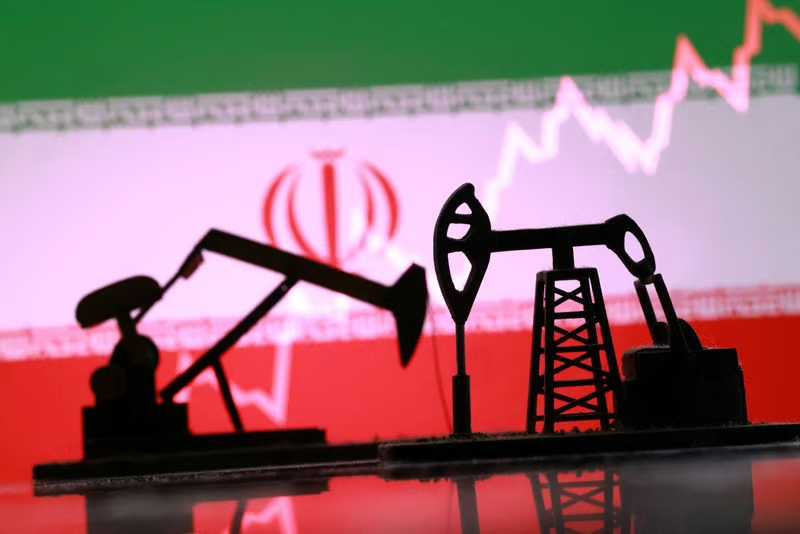
Washington / Global — March 7, 2026. Global energy markets are facing major turbulence as oil prices continue to climb following escalating military tensions involving Iran and its regional adversaries.
Energy analysts say the surge began after military strikes targeted key facilities in the Middle East, triggering fears of supply disruptions across one of the world’s most important oil-producing regions. The rising tensions have already caused significant fluctuations in financial markets and renewed concerns about the stability of global energy supplies.
Brent crude and U.S. benchmark oil prices both jumped sharply during the past week, reaching their highest levels in months as traders reacted to the possibility of further disruptions in the region. Economists warn that prolonged instability could drive fuel costs higher for consumers and increase inflationary pressures worldwide.
Several governments have urged restraint and called for diplomatic efforts to prevent a broader conflict that could destabilize international trade routes and global energy infrastructure. Experts say the coming weeks will be critical in determining whether the crisis escalates further or moves toward negotiation.
For now, energy markets remain on edge as investors closely monitor developments across the Middle East.