
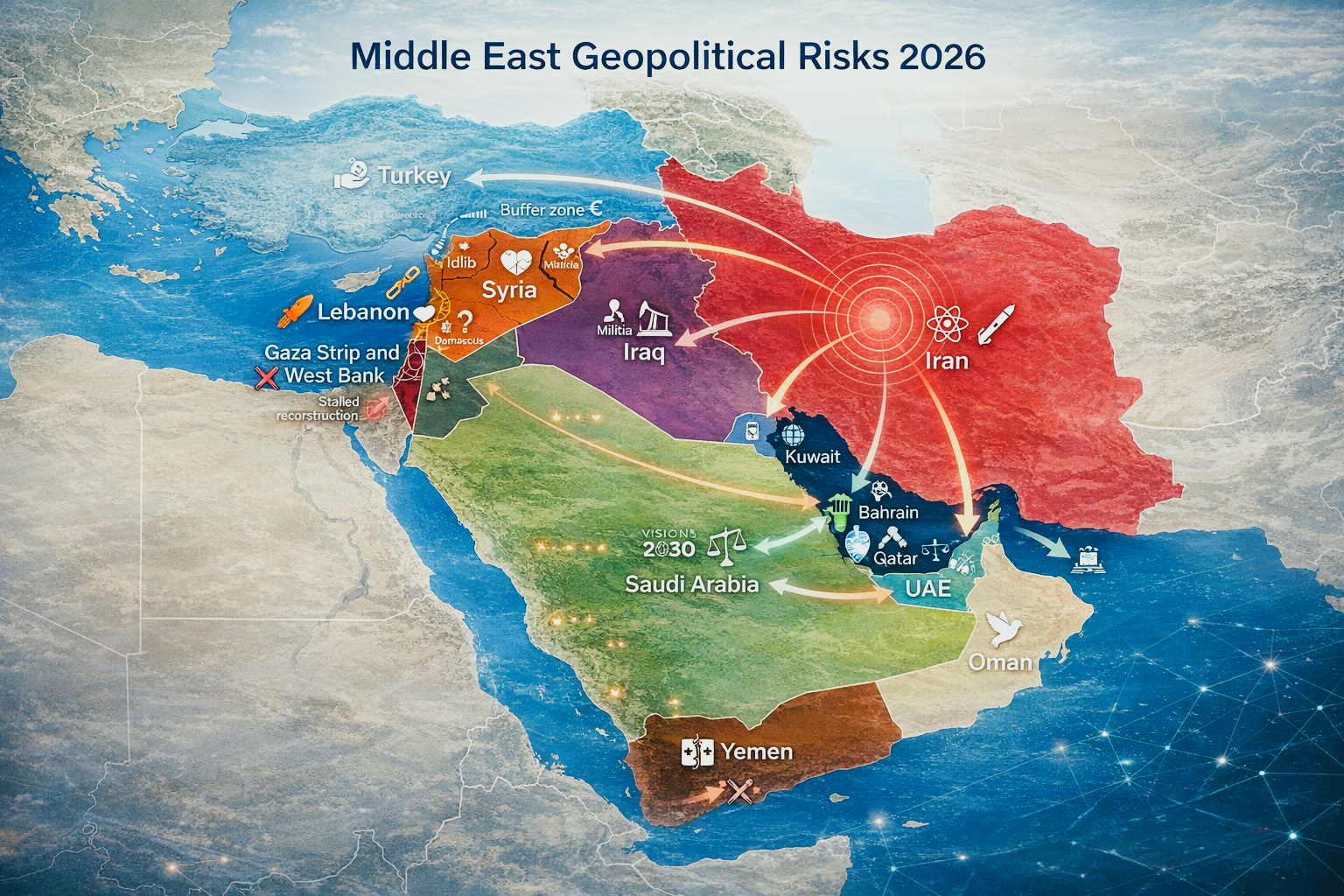
Brussels — March 6, 2026. Global leaders are closely monitoring developments in the Middle East as tensions surrounding the conflict involving Iran continue to escalate.
Security analysts say the situation is rapidly reshaping international diplomatic priorities and could have long-term consequences for global geopolitics. The conflict has already affected regional alliances and prompted emergency discussions among international organizations.
Governments in Europe, North America, and Asia have expressed concern that continued escalation could destabilize the broader region and disrupt global trade routes. The conflict has also contributed to rising energy prices and volatility in financial markets.
Diplomats emphasize that international cooperation will be essential to prevent the situation from expanding into a wider regional confrontation. Several countries have called for renewed negotiations and diplomatic mediation to reduce tensions.
Experts warn that the geopolitical consequences of the crisis may extend well beyond the Middle East, influencing global security policies and economic conditions in the months ahead.