
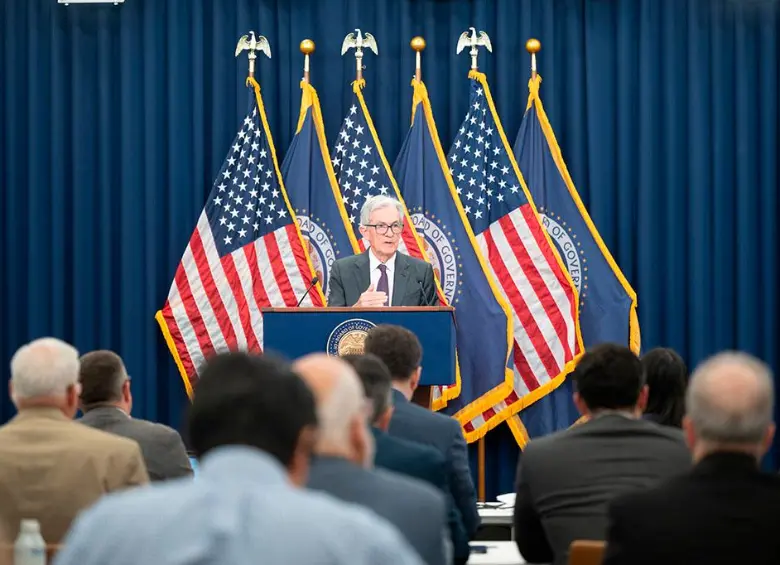
The US Federal Reserve decided to keep its benchmark interest rate unchanged, a decision that reflects the complex economic situation facing the country. Inflation has shown signs of slowing, but remains above the central bank's long-term targets, while the labor market is beginning to show signs of cooling after several years of strength.
Federal Reserve Chairman Jerome Powell explained that the central bank is trying to avoid hasty decisions that could destabilize the economy. According to Powell, cutting rates too soon could reignite inflationary pressures, while keeping them high for too long could negatively impact growth and employment.
The decision also comes amid a tense political climate, where sectors of the federal administration have publicly expressed their desire for lower interest rates to stimulate investment and consumption. This intersection of monetary policy and political pressure has reignited the debate about the independence of the Federal Reserve, considered a key pillar of U.S. economic stability.
Financial markets reacted cautiously, interpreting the decision as a sign of continuity and predictability. Analysts believe the central bank will continue to evaluate economic data in the coming months before considering any changes, especially in a year marked by political tensions and key strategic decisions.