
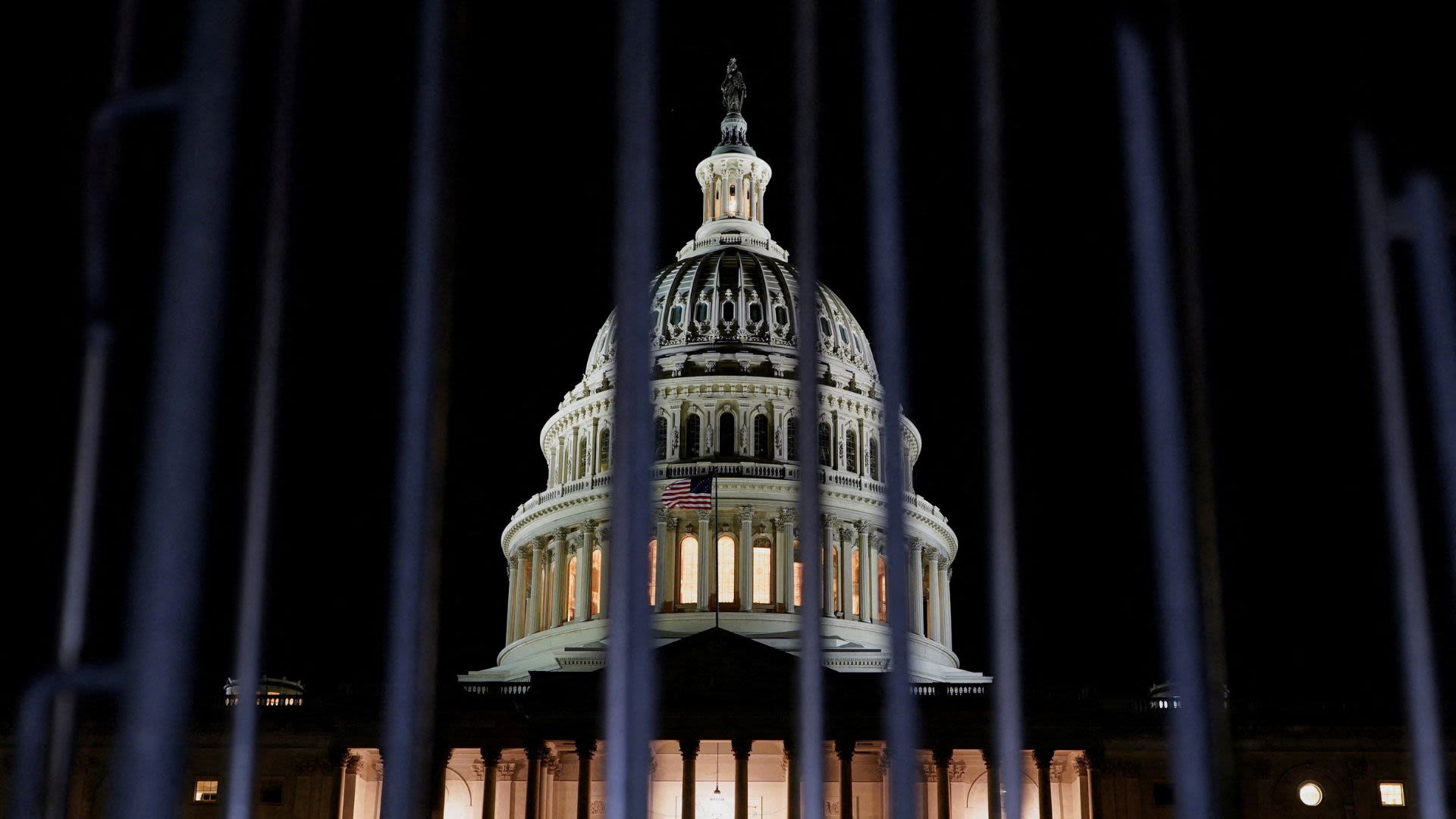
Political tensions in the United States are escalating amid a real possibility of a partial federal government shutdown before the end of the month, due to deep disagreements in Congress over the approval of essential budget allocations for the functioning of the State.
Financial analysts from prediction markets estimate that there is about a 77% chance that the government will go into a shutdown before January ends if no agreement is reached on the remaining spending bills.
A shutdown would involve the temporary closure of agencies deemed "non-essential," the suspension of federal services, and the interruption of payments to many public employees, which is already generating concern in economic and social sectors.
Democratic leaders have insisted they will not accept spending bills that prioritize deportation measures or border militarization without corresponding social and labor protections. Republicans, for their part, have accused the opposition of “sabotaging” the process to gain political capital ahead of the 2026 midterm elections.
The outcome of these negotiations will be closely watched by financial markets, credit rating agencies, and business leaders, as a prolonged shutdown poses a tangible risk to the country's economic confidence and fiscal stability.